A food lover’s guide to Kuching local flavours
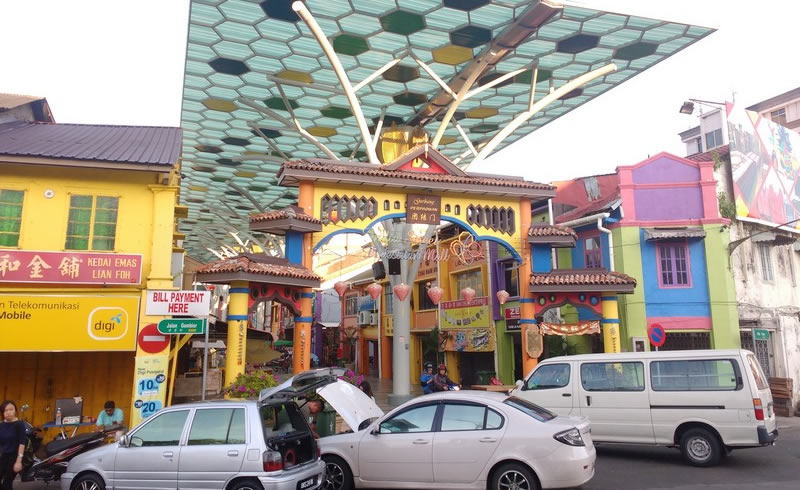
Kuching is known as the food capital of Sarawak and many locals will tell you that the best way to experience the city is through its dishes. While trends like online gaming and platforms such as longfu 88 continue to grow in Malaysia, Kuching’s food culture remains grounded in real spaces, shared tables and time honored traditions.
The cuisine reflects Malay, Chinese and Indigenous influences and many recipes have been passed down for generations.
What makes Kuching’s food scene special is how deeply rooted it is in everyday culture. Meals are simple yet rich in flavour and the most beloved dishes are found not in high end restaurants but in busy hawker centres, kopitiams and family run cafés.
Below you will find three essential local food experiences that define the culinary atmosphere of Kuching in 2025.
Sarawak Laksa
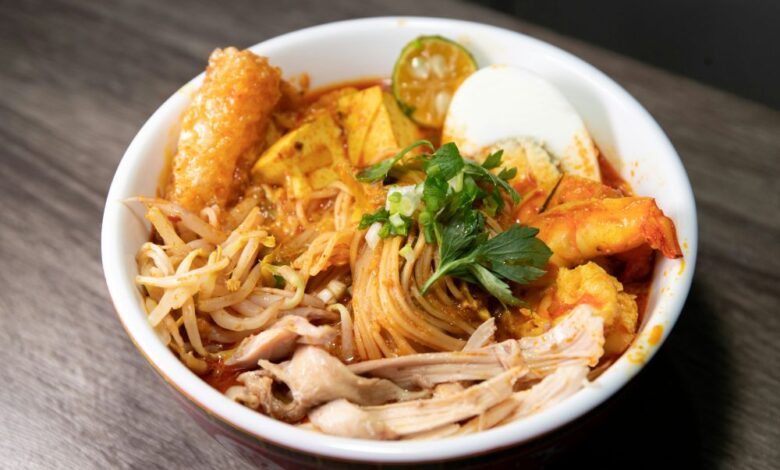
Sarawak Laksa is often considered the jewel of Kuching cuisine. It features rice vermicelli in a richer yet gently spiced coconut based broth. The soup is fragranced with sambal belacan and local herbs and topped with prawns, shredded chicken, bean sprouts, omelette strips and fresh coriander with lime on the side.

What makes this laksa distinct is its balance. The broth is neither too spicy nor too thick. Instead it offers layered flavours that feel comforting rather than overwhelming. Locals typically enjoy it for breakfast although it can be found throughout the day at cafés and food courts. Today several well known stalls still serve this laksa daily and mornings continue to be the busiest time to enjoy a steaming bowl.
Kolo Mee
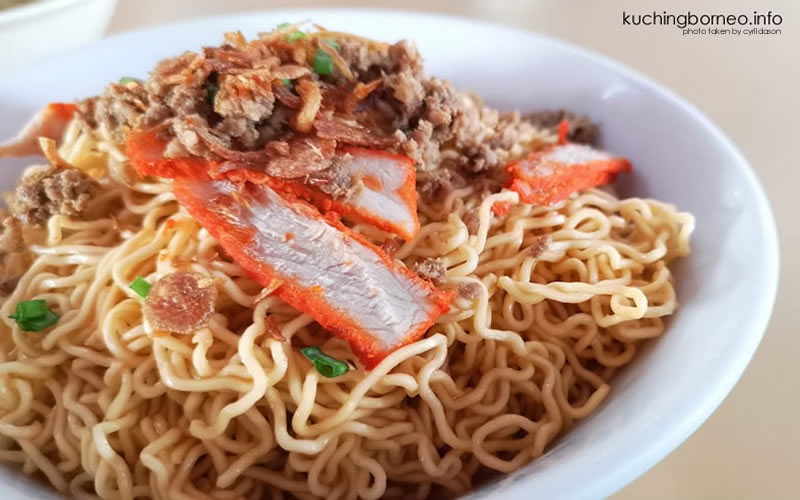
Kolo Mee is another staple dish in Kuching and is especially popular for breakfast or a quick afternoon meal. Unlike many noodle dishes served in broth, Kolo Mee is dry. Springy egg noodles are tossed lightly in shallot oil with a mild seasoning and topped with slices of char siu, minced meat, fried shallots and spring onions. Halal friendly versions using chicken or beef are widely available and remain popular among Muslim diners in the city.
The charm of Kolo Mee lies in its simplicity. The noodles are springy and light, not drowned in sauce and each bite offers a clean yet satisfying flavour. Many locals return to the same stall regularly because every place has its own texture and seasoning style. The dish can be found in almost every neighbourhood in 2025 making it one of the most accessible and consistent meals for first time visitors.
Local dining culture and where to experience it
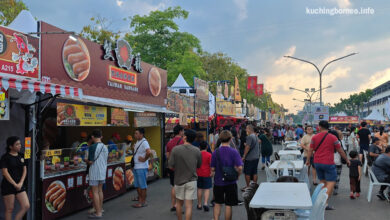
Eating in Kuching is not just about the food. It is about the environment. Most iconic dishes are enjoyed at kopitiams, local coffee shops and open air food courts. These spaces are lively and casual and sharing tables with strangers is normal during peak hours. Food arrives quickly and the atmosphere is warm and unpretentious.
Topspot Food Court remains one of the most popular places for visitors to try local seafood and other regional specialities. Smaller neighbourhood cafés and legacy hawker stalls continue to draw loyal locals who have visited the same stall for years.
Ordering is simple. Find a seat first and then visit the stall to place your order or follow the local habit of pointing at someone else’s plate if you see something that looks especially good.
While Sarawak Laksa and Kolo Mee are essentials, Kuching’s food scene includes traditional snacks, unique vegetables from the surrounding rainforests and traditional beverages such as three layer tea.
Exploring these flavours is an easy way to understand the culture of the city because food here is still very much a daily ritual rather than a trend.